SONG LAB
RNA Biology and Tumor Immunology in Glioma
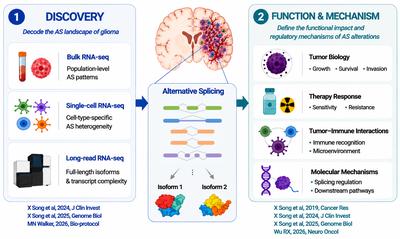
The Song Lab at the Medical University of South Carolina studies RNA biology and tumor immunology in glioma, with a particular focus on alternative splicing and microglia–glioma interactions. We combine transcriptomic profiling, functional and genetic approaches, and advanced iPSC-based models to understand how RNA regulation and tumor–immune interactions shape glioma progression, therapeutic response, and immune evasion.
Research
We investigate how alternative RNA splicing generates functional isoforms that drive glioma growth, therapy resistance, and immune evasion.
We develop RNA-targeting strategies to therapeutically reprogram glioma-associated splicing, enhance antigen presentation, and improve antitumor immune responses.
We investigate how iPSC-derived microglia recognize and engulf glioma cells and develop strategies to enhance tumor clearance and reprogram the glioma microenvironment.
How We Study Glioma
Advanced RNA Sequencing to Define Glioma Biology
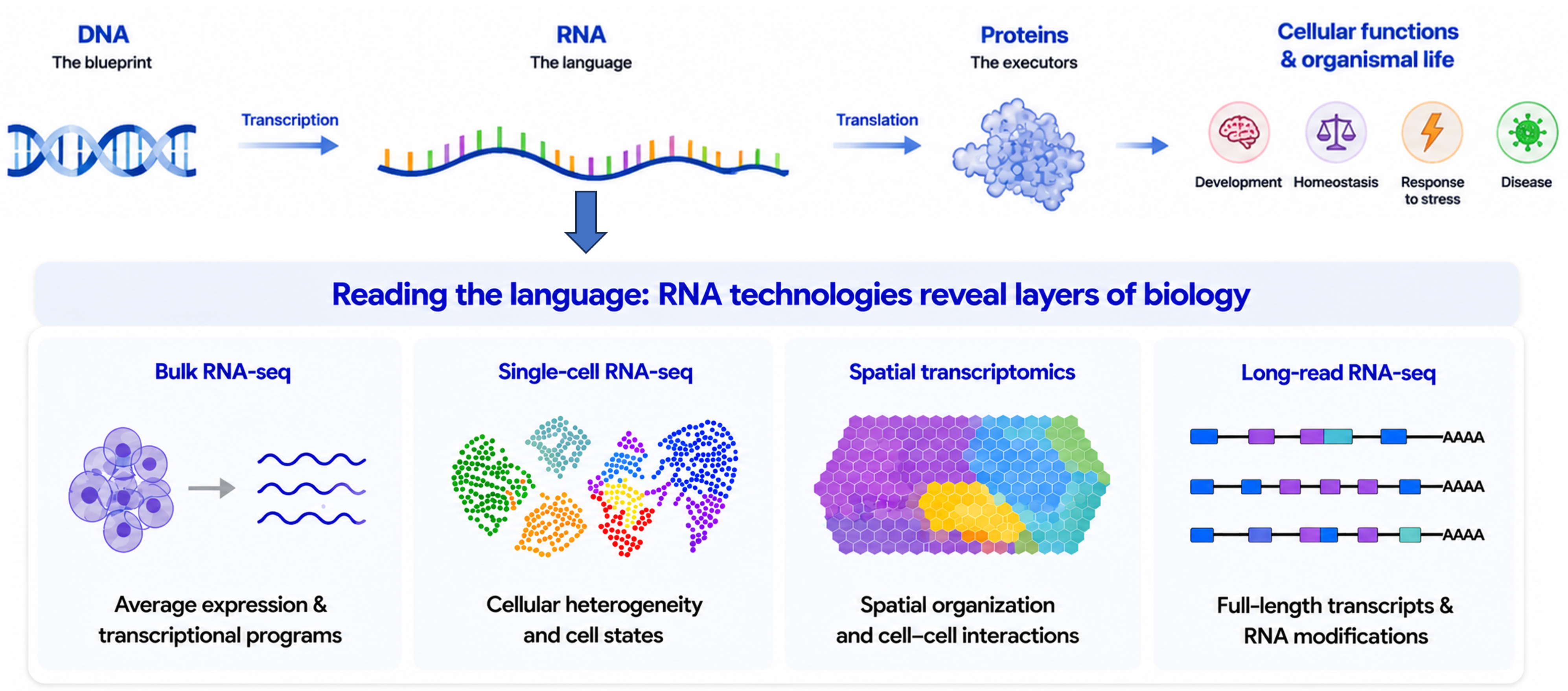
We use advanced RNA-sequencing technologies, including bulk, single-cell, spatial, and long-read RNA-seq, to characterize transcriptomic and alternative-splicing programs in glioma. These approaches enable us to identify RNA alterations associated with tumor cell states, progression, and therapeutic response.
Functional Screening of Alternative Splicing
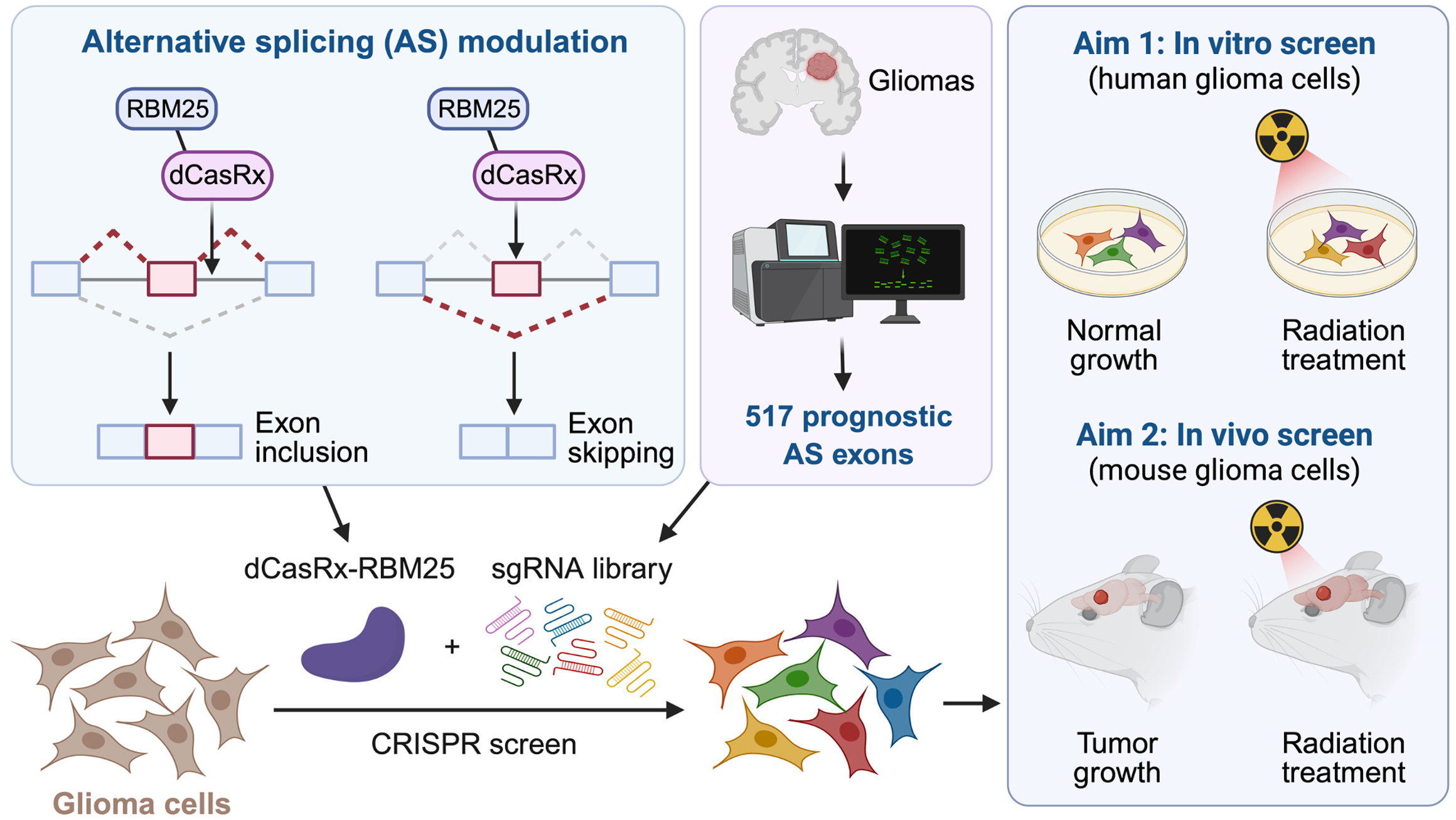
We use the dCasRx-RBM25 system to manipulate endogenous alternative splicing and develop exon-centric CRISPR screens to identify functional splicing events in glioma. By screening clinically relevant AS events under different treatment conditions, we aim to uncover splicing dependencies and therapeutic vulnerabilities.
iPSC-Derived Microglia Model
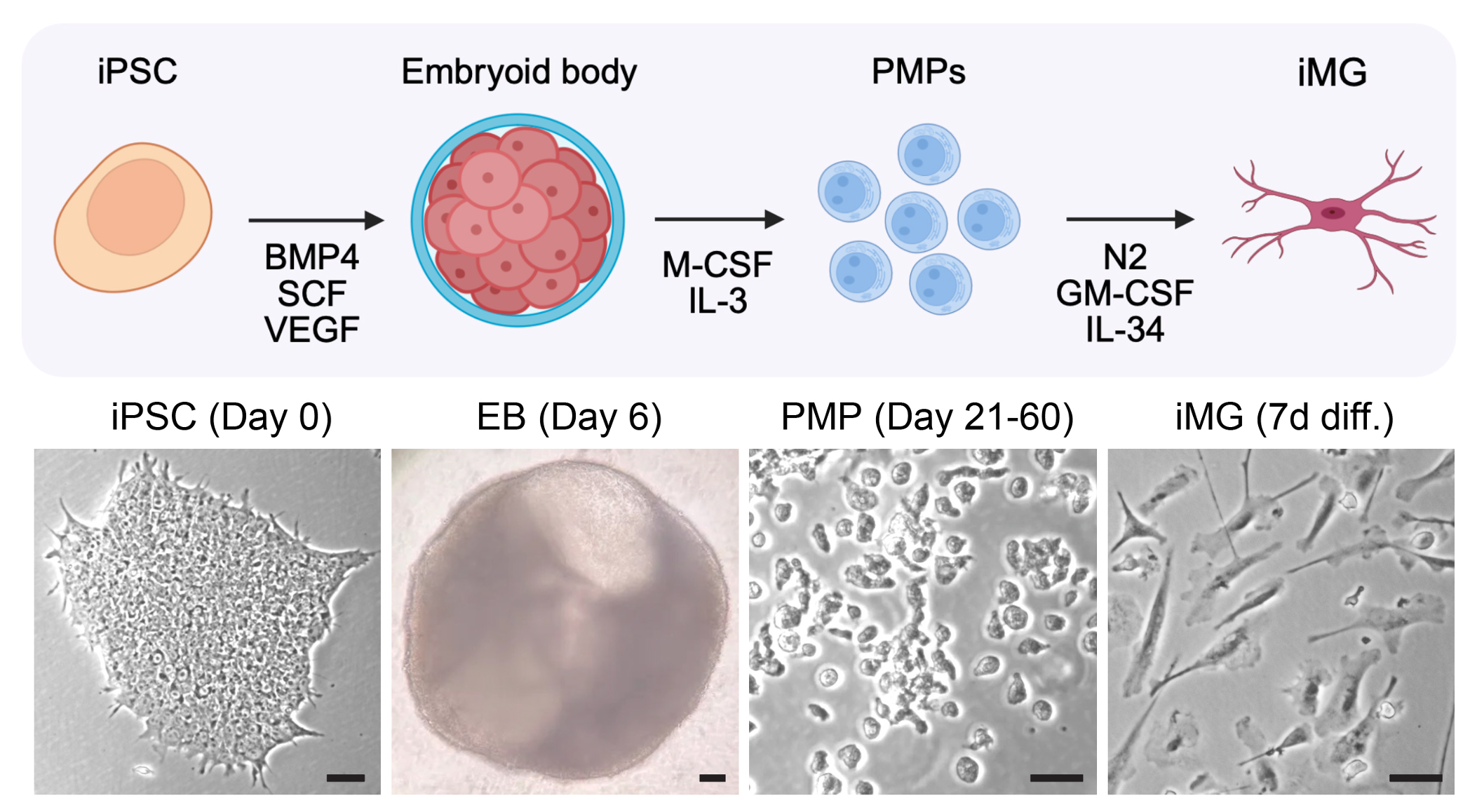
We use iPSC-derived microglia (iMG) as a human model to study microglia–glioma interactions. We investigate how iMG recognize and phagocytose glioma cells, how these interactions shape microglial immune function, and how iMG can be engineered to enhance tumor clearance and antitumor immunity.
Selected Publications
Join the Song Lab
We welcome motivated scientists and trainees interested in RNA biology, glioma, cancer biology, tumor immunology, and the tumor microenvironment.