Research
The Song Laboratory studies RNA biology in brain tumors, with a particular focus on alternative splicing and transcriptomic regulation in glioma. We integrate computational genomics, functional genomics, tumor biology, and immunology to understand how RNA alterations shape tumor progression, therapeutic response, and interactions with the tumor microenvironment.
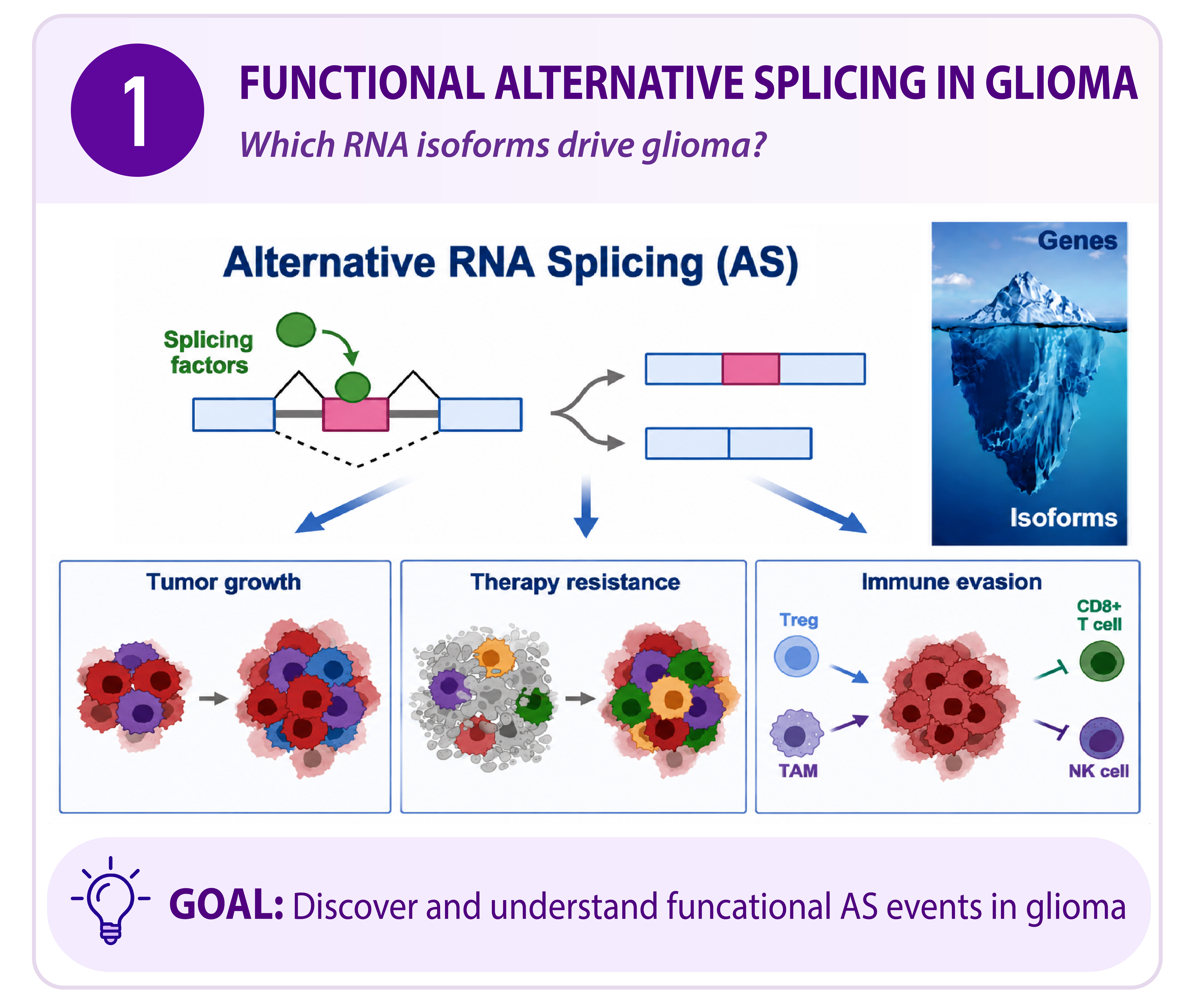
1. Defining Functional RNA Splicing Programs in Glioma
We investigate how alternative RNA splicing contributes to glioma biology by generating functionally distinct RNA and protein isoforms. Using bulk, single-cell, and long-read RNA sequencing, we identify splicing programs associated with glioma subtypes, cellular states, clinical outcomes, and therapeutic response. We then use patient-derived glioma models and functional approaches to determine how individual splicing events regulate tumor growth, signaling, metabolism, and treatment response. Our goal is to distinguish functional drivers from disease-associated splicing changes and uncover new isoform-specific therapeutic vulnerabilities.
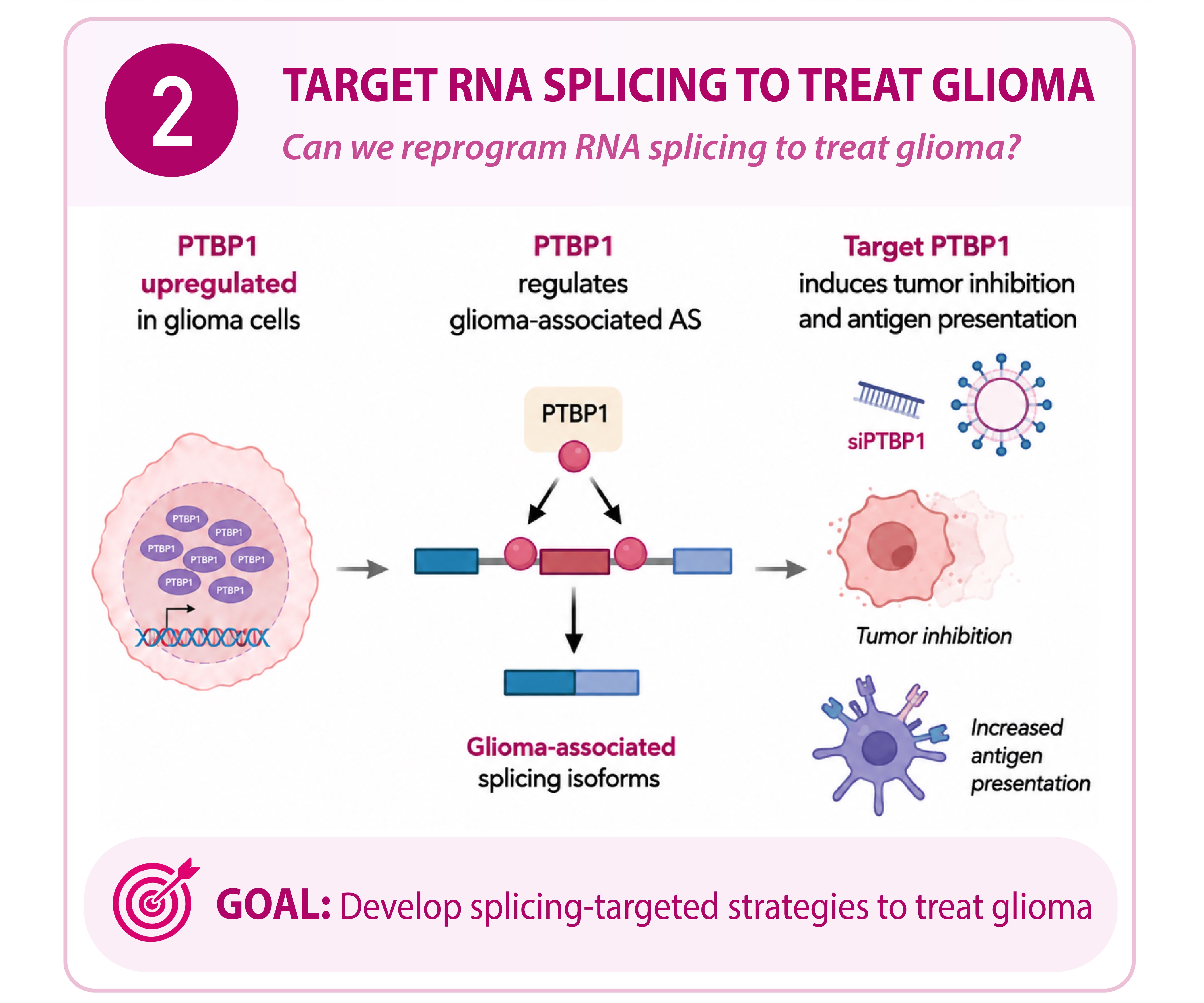
2. Targeting Splicing Factors for Glioma Therapy
We investigate how dysregulated RNA-binding proteins and splicing factors coordinate RNA-processing programs that maintain malignant glioma states. Our studies have identified factors such as SRSF3 and PTBP1 as regulators of oncogenic splicing programs and potential therapeutic vulnerabilities. We are developing genetic and RNA-targeting approaches to perturb these regulators and determine how RNA reprogramming affects glioma growth, differentiation, therapeutic response, and anti-tumor immune response. Ultimately, we aim to exploit RNA-processing dependencies as a new strategy for glioma therapy.
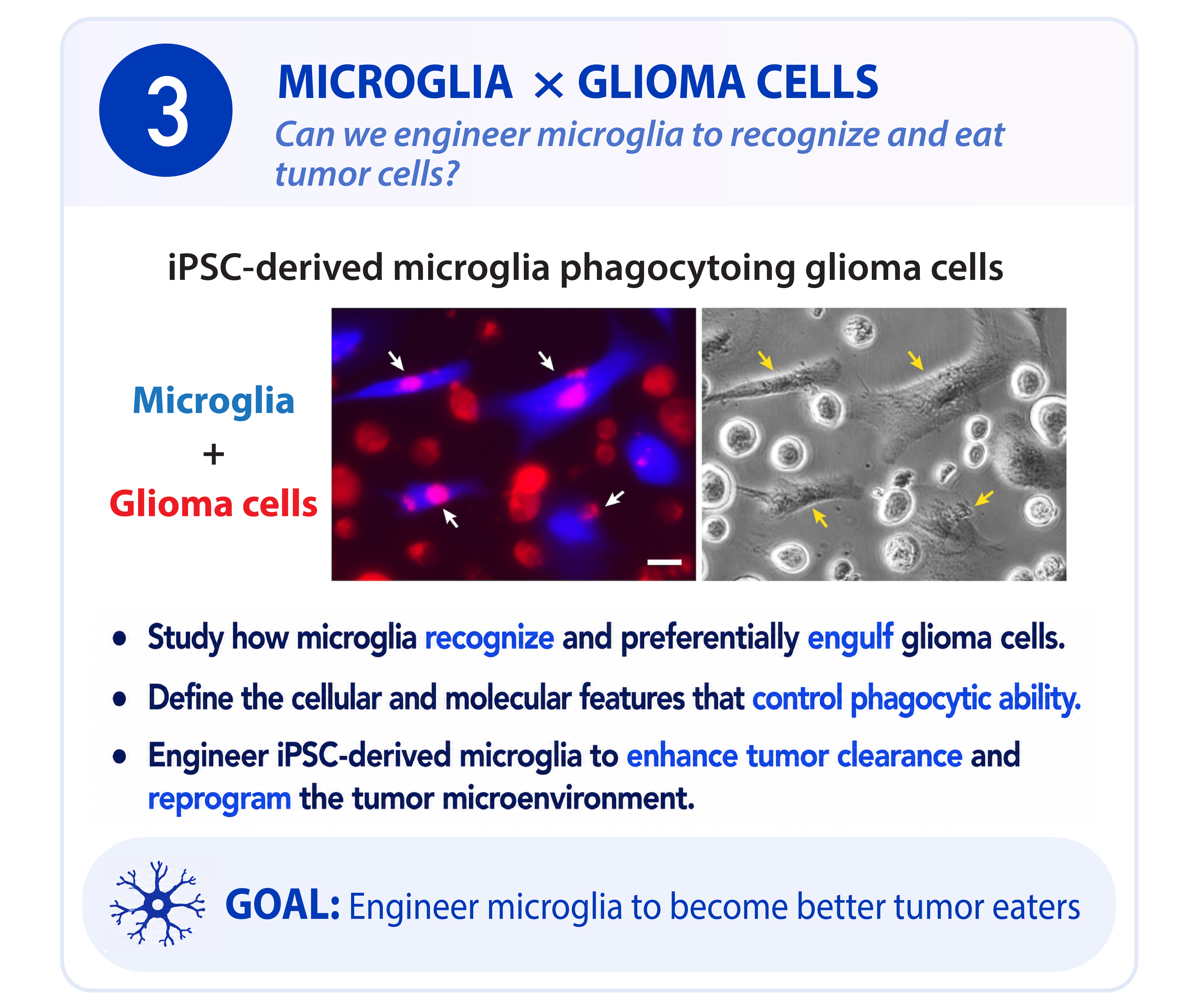
3. Harnessing Microglia for Glioma Immunotherapy
We use human iPSC-derived microglia (iMG) to investigate how microglia recognize, engulf, and respond to glioma cells. Our studies seek to define the tumor-intrinsic and microglial mechanisms that determine susceptibility to phagocytosis and understand how tumor-cell engulfment subsequently reshapes microglial immune function. Building on these mechanistic insights, we aim to engineer iMG with enhanced tumor recognition and phagocytosis while promoting productive antitumor immune responses, establishing a foundation for microglia-based cellular therapies for glioma.
Funding
DoD PRCRP Career Development Award
Harnessing Alternative Splicing to Expand the Antigen Repertoire and Boost Anti-Tumor Immunity in Glioblastoma
Department of Defense · 2024–2027 · $639,848
Project Number: CA230873
NIH NINDS R21
Regulation of Glioma Cell State Transition and Therapy Response by RNA Alternative Splicing
NIH NINDS/NIMH · 2026–2028 · $415,250
Project Number: R21NS148843